
Zalando Privé operates on a limited-time private sale model, distinct from the permanent catalogue on the main Zalando site. Each sale lasts a few days, offers items in limited quantities and features discounts on well-known brands. This format, built around scarcity and reduced prices, goes a long way towards explaining why the platform appeals to so many fashion shoppers on a budget.
Online private sales: how prices are set on Zalando Privé
Private sales are based on an agreement between the platform and the brands. Manufacturers or distributors agree to sell stock—end-of-line items, seasonal surplus or previous collections—at negotiated prices in exchange for exposure to a large membership base.
Zalando Privé does not set its prices arbitrarily. Discounts depend on the quantities available, how old the collection is and how quickly the brand wants to clear its stock. This system allows brands to protect their pricing on regular sales channels while selling unsold items without going through physical discount stores.
To understand in detail why prices are low on Zalando Privé, it is also worth noting that the platform reduces its own storage costs by not maintaining a permanent inventory: items move through quickly, keeping logistics costs down.

Limited-time sales and restricted stock: how scarcity affects buying behaviour
Each sale on Zalando Privé usually lasts a few days. Items are offered in limited quantities and disappear from the site once the sale ends. This creates a sense of urgency that encourages shoppers to decide quickly.
The psychological effect is well known: when a product is available for only a short time, the fear of missing out on a good deal speeds up the decision-making process. Fashion enthusiasts who keep an eye on their favourite brands know when these sales are on and see them as an opportunity to buy items that would otherwise be sold at full price.
This carefully managed scarcity is not a marketing gimmick disconnected from actual stock levels. Quantities really are limited by what the brand agrees to put on sale. When an item is marked “last items”, stock is genuinely low.
Order fees and returns: the real cost of shopping on Zalando Privé
The price shown on a product page is not the full cost. Packaging and handling fees of 3.90 euros per order are added to the price of the items. For a small basket (a 12-euro T-shirt, for example), these fees make up a significant share of the total.
The returns policy is also worth explaining, as it directly affects how good a deal seems:
- Unworn items can be returned free of charge within 30 days of receipt, reducing the risk of an impulse purchase.
- The 3.90-euro order fee is refunded only if the entire order is returned, not if only some items are sent back.
- With a partial return, the fee remains the buyer’s responsibility, even if the returned item is fully refunded.
This distinction changes the calculation for smaller baskets. Combining several items in one order spreads the fixed fee across them and makes the discount genuinely worthwhile.
Zalando Privé vs. regular sales: comparing the actual discount
Sales in France follow a regulated calendar, with fixed dates and rules on pricing. Zalando Privé’s private sales are not subject to these rules: they run all year round, regardless of official sale periods.
This year-round availability is a structural advantage. Shoppers do not have to wait until January or June to find discounted clothing or beauty products. Brands add items to the platform as they need to clear stock, so the selection is continually refreshed.
The difference from regular sales also lies in the types of products on offer. In stores or on websites during sale periods, the most common sizes sell out first, often leaving a limited selection after just a few days. On Zalando Privé, each new sale starts afresh with a full range of items, at least when it first opens.
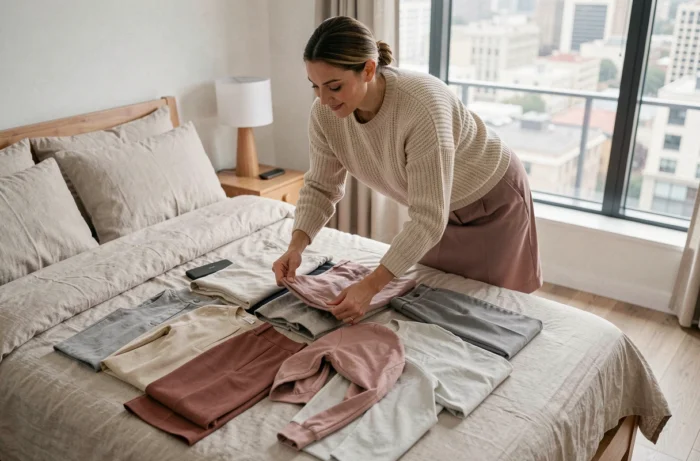
Brand access and the variety of fashion on Zalando Privé
The platform’s appeal is not just about price. The range of brands available matters just as much. Zalando Privé gives shoppers access to fashion, footwear and beauty brands that do not usually offer promotions through their own sales channels.
For fashion enthusiasts in France, this means being able to buy items from European and international brands without visiting a physical multi-brand store, where prices are often higher. The platform covers a broad range of products:
- Clothing for men, women and children, from basics to more distinctive pieces.
- Shoes and accessories from brands that usually protect their prices.
- Beauty products and cosmetics, a growing category on the platform.
This variety turns each visit into a form of event shopping: every time shoppers log in, they might discover an unexpected sale from a long-time favourite brand.
Zalando Privé’s model works because it aligns the interests of brands (clearing stock without damaging their image) with those of shoppers (accessing reduced prices on authentic products).
Order fees and the restrictions on partial returns slightly reduce the price advantage, but the net discount remains significant when a basket contains several items. This combination of negotiated prices, carefully managed scarcity and access to a broad catalogue is what keeps fashion enthusiasts coming back to the platform.