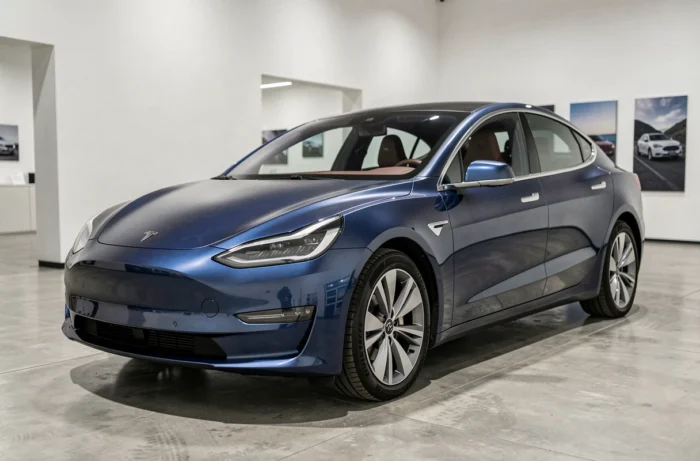
The electrification of the French automotive market has reached a structural turning point. In the first half of 2026, electric vehicles became the leading powertrain among cars acquired by company fleets, according to AAA-Data (Intelligence Auto No. 96, October 2026). This shift changes how we interpret familiar automotive trends and which new developments truly matter to enthusiasts and industry professionals alike.
Company fleets and electric vehicles: the 2026 turning point
Fleet markets were long a stronghold of diesel, followed by hybrids. The shift to all-electric vehicles as the leading powertrain in this segment is no minor development: fleets account for a substantial share of new vehicle registrations in France.
What this means in practical terms is that a large volume of electric vehicles will enter the used-car market in two to four years. Long-term leasing contracts generate a steady stream of returned vehicles, and most of those returns will now be electric.
Regulatory incentives are also changing. They no longer rely solely on purchase subsidies: the decree of 18 May 2026, cited by Geotab, introduces new mechanisms related to company car benefits and the financing of electrification. For fleet managers, the total cost of ownership of a fleet electric vehicle is becoming competitive without direct purchase subsidies, making the transition less dependent on government budget decisions.
Automotive news published on autosactus.fr regularly covers these market developments, which go beyond simple model comparisons.
Used electric car market: Renault Zoe dethroned as new models take the lead
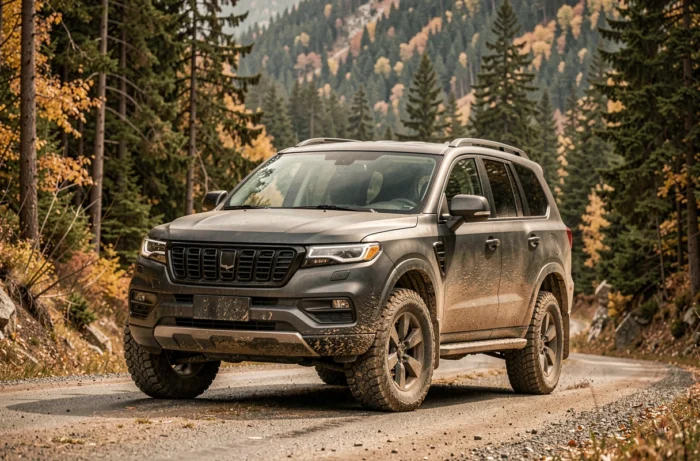
The AVERE-Mobilians barometer and AAA Data figures for October 2026 confirm a change in the pecking order: the Renault Zoe is no longer France’s best-selling used electric car. Newer models with larger-capacity batteries and fast-charging systems are taking the lead.
This shift has several technical implications for used-car buyers:
- First-generation electric vehicles (Zoe, Nissan Leaf 40 kWh) are depreciating faster, partly because of the gap in fast-charging performance compared with newer models
- Vehicles coming off fleet leases are entering the market with often-high mileage but traceable maintenance records, offering reassurance about battery condition
- The Renault Mégane E-Tech, updated to offer 67 kWh of battery capacity and 500 km of range, is positioning Renault to compete in the used electric compact segment over the medium term
For enthusiasts keeping an eye on the used-car market, the current period offers access to newer models at rapidly falling prices, but choosing the right battery generation remains crucial.
Consideration and sales of electric cars in Europe: the gap persists
A third-quarter 2026 report (IMAGIN.studio, Q3 European EV Consideration Gap) highlights a phenomenon that raw registration figures fail to capture. Interest in an electric model does not necessarily translate into equivalent sales.
This gap between consideration and purchase points to several barriers:
- Pricing remains an obstacle to purchase for premium electric models, even when interest is high
- Actual model availability at dealerships plays an underestimated role: a vehicle that can be configured online but delivered in six months loses out to a competitor available from stock
- Unevenly developed fast-charging networks across Europe influence the final decision more than technical specifications
For manufacturers such as Volkswagen, Toyota and BMW, this finding calls for a rethink of their launch strategies. More concepts and announcements are not enough if the buying process remains smoother with the competition.
Decarbonizing France’s vehicle fleet: sales alone won’t be enough
In late October 2026, Les Échos cited SDES data to point out that sales of new electric cars alone will not be enough to decarbonize the vehicle fleet. Most vehicles on French roads still run on fossil fuels, and replacing them takes time.
Two complementary measures have been identified: reducing the number of kilometers driven and reducing vehicle size. The latter runs directly counter to the market’s dominant trend, with SUVs setting sales records worldwide.
New hybrid models illustrate this contradiction. The plug-in hybrid Skoda Kodiaq now delivers 272 hp thanks to optimizations to its combustion engine and software, not its electric motor. Toyota, meanwhile, is working on a single platform capable of accommodating three different hybrid powertrains. These approaches extend the life of combustion engines in large vehicles.
For car enthusiasts, the question goes beyond choosing between electric and combustion power. A vehicle’s size matters just as much as its powertrain when it comes to its actual carbon footprint. A compact electric city car and a large plug-in hybrid SUV are not in the same environmental category, even if both carry favorable labels.
Automotive trends in 2026 point to a market undergoing rapid but uneven change. Fleets are making the switch, the used electric car market is being reshaped, and the gap between buyer interest and actual purchases remains an important indicator to watch when anticipating the sector’s next moves.